I get asked this constantly by MSP owners, usually some version of “should we be running LinkedIn ads?” My honest answer disappoints most people, because it is usually “probably not yet.” I say that having watched it play out across our own clients’ ad accounts often enough to trust the pattern.
That is not me being anti-LinkedIn. The targeting is genuinely excellent. You can put your message in front of IT decision-makers and filter down to the company size and industry you actually sell to, which for a B2B sales cycle this long and this specific is rare. So the platform itself is not the problem.
The problem is what happens after someone clicks.
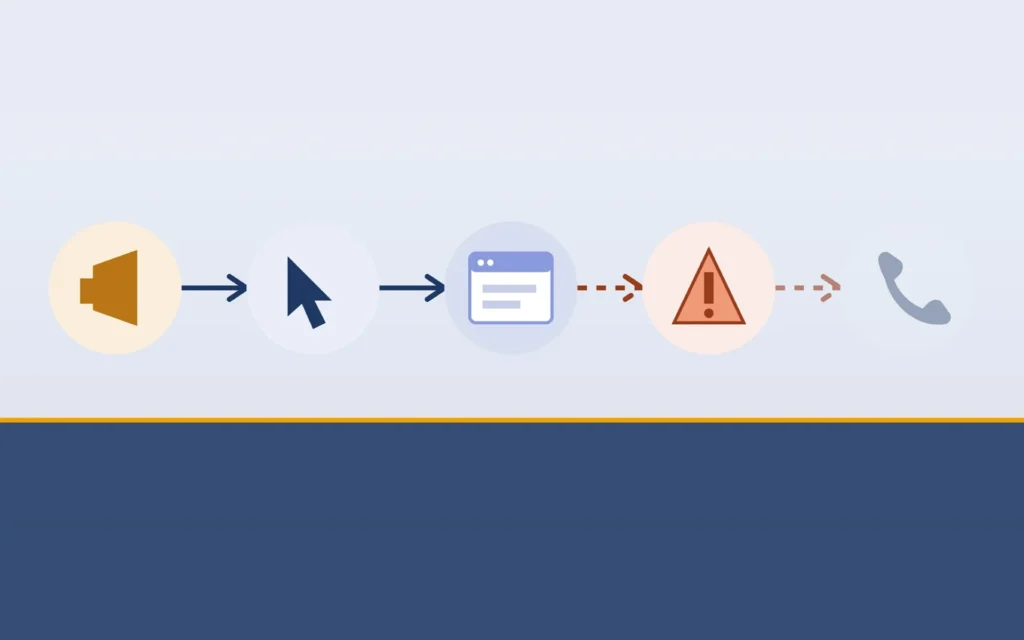
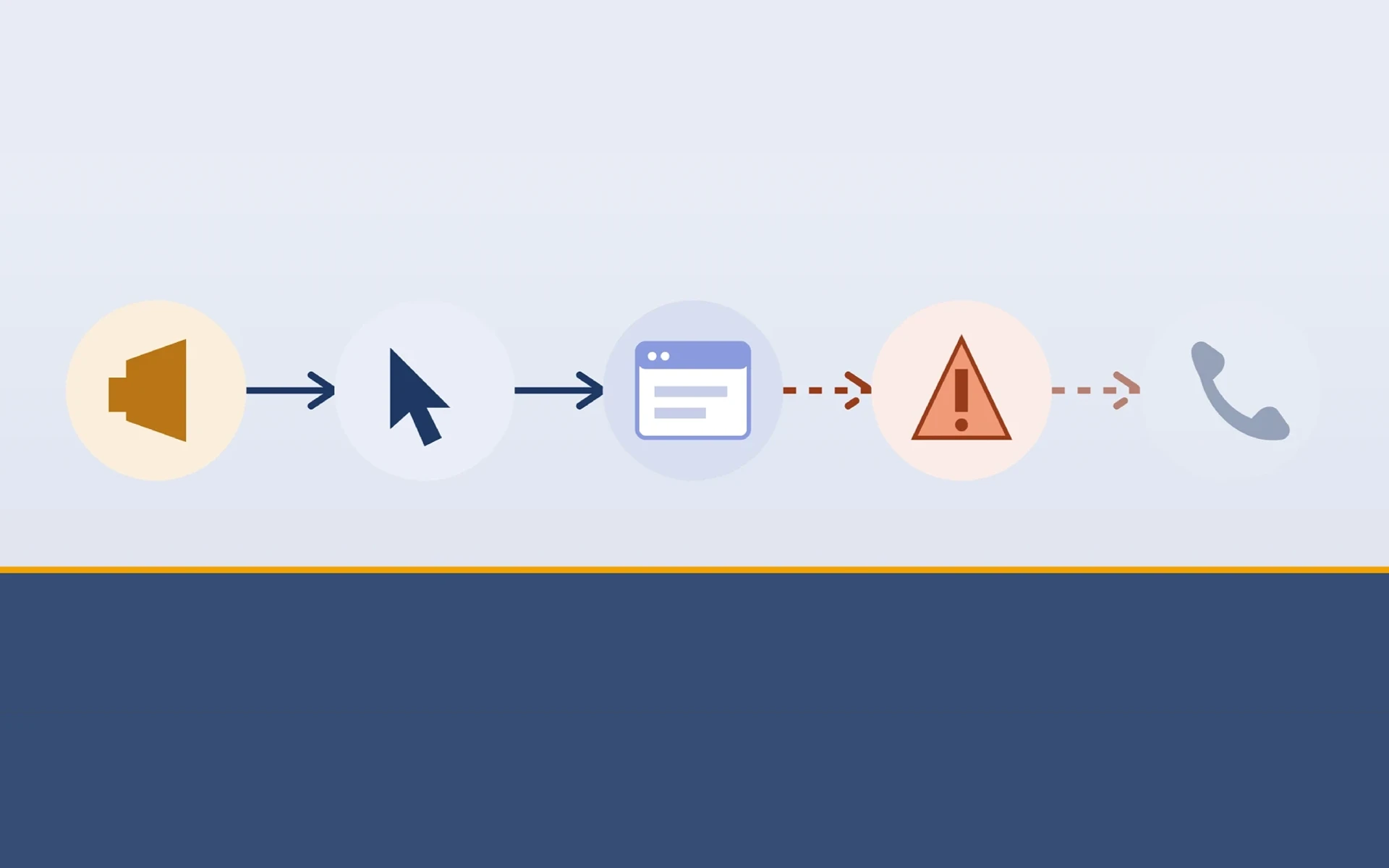
Here is the pattern we see over and over with MSPs who tried LinkedIn ads and walked away feeling like they lit money on fire. The ad does its job. Someone clicks. Then they land on a website that reads like a brochure the business wrote for itself, with a contact form feeding an inbox nobody checks until Thursday. The ad spent real money to earn that click, and everything after it let the click leak straight back out.
Why do LinkedIn ads fail for so many MSPs?
Almost always, the leak starts with the message. If your positioning is fuzzy, ads just help more people bounce off it faster, at a higher cost per bounce than any other channel would charge you.
Before spending a dollar on LinkedIn, you should be able to answer one question in a single clear sentence: who is this for, and what changes for them once they work with you? Something like “we run IT for Montana accounting firms sick of waiting three days for a callback” lands. “We provide comprehensive managed IT solutions” does not, and closing that gap costs nothing but a bit of honest thinking about your ideal client before the campaign goes live.
Where the click lands matters almost as much
A LinkedIn ad should never drop someone on your homepage and cross its fingers. It should send them to a page built for the exact thing the ad promised, with one obvious next step. If your ad talks about a security assessment, the click should land on the security assessment, not a general services menu where they have to go hunting for it themselves.
This is the part MSPs skip most often, mostly because it feels like extra work for a single campaign. It is not extra work. It is the whole reason the campaign converts or does not.
Then there is the follow-up nobody wants to admit to
We have watched MSPs pay good money for a lead, get the form fill, and then take four days to reply. By then the prospect has already talked to two other providers and half-forgotten they filled anything out. The ad worked perfectly. The follow-up is what fell over.
None of this is glamorous, which is exactly why we push back when an owner wants to jump straight to ad spend. Ads do not fix a fuzzy message, a weak landing page, or a slow follow-up process. They just push more traffic through the same cracks, faster and at a higher price.
So when does it actually make sense to run LinkedIn ads?
Once your message and your landing page are both doing their job. That is the real bar, not a perfect website or a big budget, just a message the right buyer recognizes as theirs and a page built to convert instead of inform. Speed is what turns that setup into results.
We worked with an MSP last year whose ad account looked fine on paper. Good targeting, ad copy that actually named the buyer, a real offer behind the click. Leads were still going nowhere. The gap turned out to be follow-up: it was taking the better part of a week to get back to anyone who filled out the form. Once that moved from days to hours, the same ads that had been “not working” started converting, with nothing else about the campaign changed.
Get there, and LinkedIn ads stop being a gamble and start acting as a multiplier on a system that already turns attention into booked calls. Our Paid Ads work with MSPs almost always starts here, checking whether your message, page, and follow-up can hold the weight of paid traffic before we ever touch a campaign budget.
There is a timing piece too. LinkedIn clicks are not cheap, and the IT buying cycle is long, so this is rarely a “spend in March, win in March” channel. Treat it as a way to start conversations you nurture over months, not a vending machine for instant leads, and your expectations will match reality.
What should you actually budget?
Enough to test properly over a few months rather than in a single burst. LinkedIn clicks cost more than most channels, and a rushed two-week test tells you almost nothing about a sales cycle that runs longer than that. If you have not sat down and mapped out what a realistic marketing budget looks like against your growth goals, that is worth doing before you touch an ad account at all. We walked through exactly that in setting a marketing budget for your MSP, and it pairs well with this one.
You do not have to figure this out alone
Most owners should not try to white-knuckle paid ads on top of running the business. If you would rather know whether you are ready before you spend a dollar, that is what our free MarketingStack Challenge is built for. We pressure-test the parts ads tend to expose, starting with whether your message is sharp and your follow-up is fast, then tell you plainly whether to run ads now or fix those pieces first.
If you are itching to run ads, spend the next month on your message, your page, and your follow-up instead. It is less exciting and a lot cheaper, and it is the entire gap between ads that quietly drain your budget and ads that print pipeline.
Quick answers
Do LinkedIn ads work for MSPs? Yes, when the basics behind them are solid. The targeting is excellent for reaching IT decision-makers, but the ads only convert once your message, landing page, and follow-up speed are ready to receive that traffic.
How much should an MSP budget for LinkedIn ads? Enough to test over a few months rather than a quick burst. LinkedIn clicks cost more than most channels, and the IT buying cycle is long, so plan for patient spend tied to a real follow-up process rather than instant leads.
What should I fix before running LinkedIn ads? Start with your positioning, one clear sentence on who you help and the outcome you create. Then make sure the page your ad points to speaks to that exact buyer and asks for one clear action. Follow-up speed is the third piece, and the one most MSPs underrate.